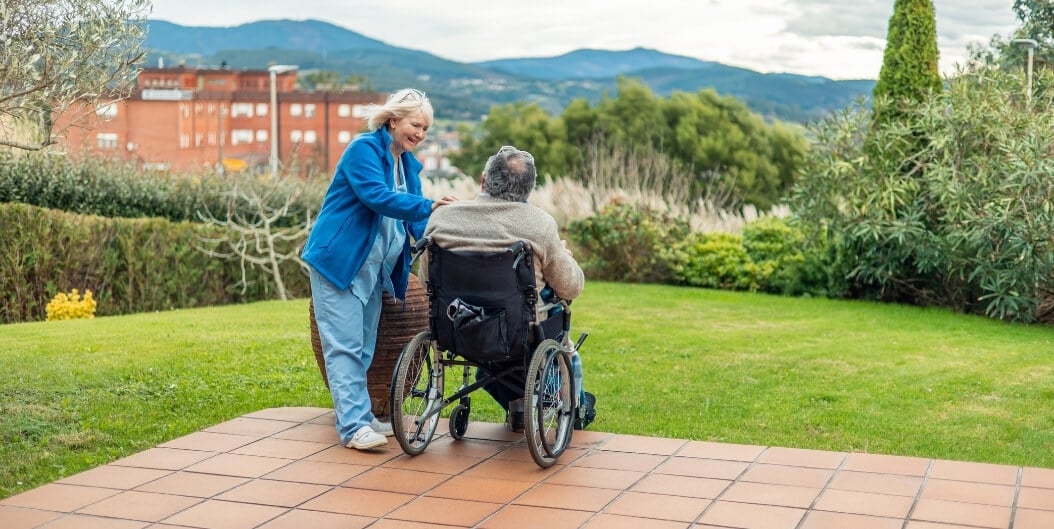
Benefits of Outdoor Spaces in Memory Care for Cognitive Health
When someone experiences Alzheimer’s disease or another form of dementia, everyday environments begin to play a larger role in their wellbeing. Small details in the surroundings can influence mood, memory, and comfort.
Outdoor spaces are one of those details that often make a meaningful difference.
Fresh air, natural light, and calm surroundings can support emotional balance and cognitive health in ways that indoor spaces alone sometimes cannot. For individuals living with memory challenges, safe and accessible outdoor areas can provide moments of relaxation, gentle activity, and familiar sensory experiences.
Memory care communities often design outdoor environments carefully so residents can enjoy nature while remaining safe and supported. These spaces do more than offer a change of scenery. They can help strengthen emotional stability and encourage engagement with the world around them.
Natural Light Supports Healthy Sleep Patterns
The body’s natural rhythm is controlled by the amount of sunlight one gets in the daytime. Lots of seniors with dementia have interrupted sleep patterns. This can manifest itself in wakefulness at night and sleepiness during the day.
When this occurs, patients may appear confused and agitated. A person can get his or her internal rhythm back just by spending some time outside during the day. Exposure to sunlight gives the brain signals of times for rest and wakefulness.
In addition, even if it is brief, natural light from such activities as taking a walk in a courtyard, sitting in a shaded patio area, or being within a garden will help in a proper sleep pattern.
Adequate sleep contributes to feeling at peace with oneself all the time.
Outdoor Environments Reduce Feelings of Anxiety
Memory changes can occasionally lead to some degree of confusion. A person living with dementia may experience more stress when seeing a completely unknown place or a messy room. The outdoors seems to have an opposite effect on one’s emotions.
The natural calmness outside, in most cases, has less disturbance as opposed to an over-crowded area full of sounds or activity
Spending time outdoors can offer a sense of relaxation. The gentle sounds of nature, the movement of leaves, or the warmth of sunlight can create a soothing experience.
The best moments to unwind are such times because being with nature lowers agitation and also contributes to emotional comfort.
And in this case, even a little time spent outside is already enough to give one that sense of inner peace.
Nature Encourages Gentle Physical Movement
Physical movement remains essential to our overall health, even when someone is having cognitive changes.
Outdoor environments always lead to some level of physical activity. Walking paths, gardens, and secure courtyards are all opportunities for residents to move quite comfortably while also enjoying the surroundings.
Common outdoor activities in memory care environments may include:
- Short walks along secure paths
- Gentle stretching or movement exercises
- Gardening activities
- Sitting outdoors while socializing with others
These types of activities promote circulation, support mobility, and help maintain strength.
Movement does not need to be strenuous to be beneficial. Even slow and steady walking can help residents remain physically engaged.
Sensory Experiences Can Stimulate Memory
Memory care programs frequently utilize sensory experiences to promote cognitive engagement.
Outdoor environments naturally offer numerous sensory elements. Residents will be able to see flowers or trees, feel the radiating warmth of sunlight, smell that fresh air, and hear birds or wind passing through the leaves.
These sensory cues could induce recognition or memories from previous years. A familiar scent of a garden or a feeling of sunlight on the skin creates moments of connection.
Sensory stimulation can aid in maintaining the brain’s high level of activity and engagement. It also provides opportunities for conversation between residents and caregivers.
These simple experiences often bring comfort and familiarity.
Outdoor Spaces Encourage Social Interaction
Sometimes isolation can develop when individuals start to experience memory problems. Outdoor spaces frequently offer a very relaxed environment in which social interactions feel a lot easier.
Residents may sit out together on a patio, take a walk with their caregivers, or get involved in group activities in a garden area.
Being outdoors actually makes those social moments feel less rigid. Conversations are likely to happen naturally while enjoying the fresh air or watching birds in a courtyard.
These shared experiences really help residents retain that feeling of belonging within their community.
Friendships themselves will often develop during those very simple moments.
Gardens Can Provide Purpose and Engagement
Gardening activities are frequently included in memory care programs because they incorporate movement, sensory engagement, and a purpose.
Even the smallest gardening tasks create a feeling of being part of the action. Residents may help water plants, touch herbs, or see flowers as they bloom.
These activities promote participation without imposing much pressure. It is not essential to finish extremely difficult tasks or memorize quite precise instructions.
Instead, the focus will be on savoring the moment itself.
Gardens also change with the seasons themselves. New colors, fragrances, and textures show up all over the place all year long, thereby offering continuous opportunities for really getting involved.
Outdoor Time Supports Emotional Wellbeing
Emotional well-being remains just as crucial as physical health in memory care.
Spending time outside frequently improves your mood and reduces the feeling of frustration. Many residents appear to be in a much more peaceful state when they get regular opportunities to breathe in some fresh air.
Those outdoor spaces offer a very subtle change in the environment that could help you reset the emotional tone for the entire day.
Residents might enjoy quiet moments such as:
- Sitting in a shaded courtyard
- Listening to music outdoors
- Watching nature in a garden
- Sharing conversation with caregivers or family
These experiences help residents feel connected to the world around them rather than confined to indoor spaces.
The sense of freedom and openness often supports a more positive emotional state.
Safe Outdoor Design Is Essential in Memory Care
While environments offer numerous benefits, safety remains the number one priority for memory care.
Communities carefully design the outdoor areas so that residents can enjoy them without danger. Secure courtyards, fully enclosed walking paths, and under observation outdoor activities allow residents to explore nature without risk.
Features often found in memory care outdoor spaces include:
- Secure courtyards or enclosed gardens
- Smooth walking paths for mobility support
- Comfortable seating areas
- Shade structures or covered patios
These design elements allow residents to experience the outdoors without exposure to hazards.
Caregivers can also provide assistance when residents want to spend time outside, ensuring they feel comfortable and supported.
Outdoor Programs Create Meaningful Daily Experiences
Memory care programs very often include scheduled time outdoors as part of daily life.
These experiences give residents something to anticipate while helping preserve that feeling of a routine. Activities may include a group walk, some form of outdoor exercise, a gardening session, or having some quiet relaxation time.
Regular outdoor experiences help break up the day and create natural transitions between activities.
Residents profit not only from the environment itself but also from the routine of regularly spending time outdoors.
Structure combined with natural surroundings will quite frequently result in a much more balanced daily rhythm.
The Connection Between Nature and Cognitive Health
Research continues to show that natural environments influence brain health itself. Although outdoor spaces cannot undo memory conditions, they are able to offer comfort, engagement, and emotional stability.
Fresh air, sunlight, movement, and sensory stimulation all work together to construct a far healthier day-by-day experience.
To those living with dementia or Alzheimer’s disease, these really small environmental factors can make quite a meaningful difference.
Outdoor areas help residents keep their connection to the natural world while sustaining safety and support itself.
That connection can yield moments of peace, recognition, and joy.
Visit Ansel Park in Rocklin and Experience Memory Care That Connects Residents With Nature
If you’re looking into memory care options for a loved one, visiting a community can really help you get a sense of how the environment supports their daily life.
At Ansel Park Memory Care in Rocklin, California, the memory care residents really benefit from living spaces that are thoughtfully designed to make them comfortable, safe and engaged. Secure outdoor areas let residents have a breath of fresh air and really experience nature’s surroundings, all while being looked after by specially trained caregivers.
Programs and daily activities are made to inspire some movement, social interaction and meaningful engagement all through the day.
Schedule a tour of Ansel Park Memory Care to see how carefully designed memory care environments can help support emotional comfort and cognitive wellbeing for your loved one.