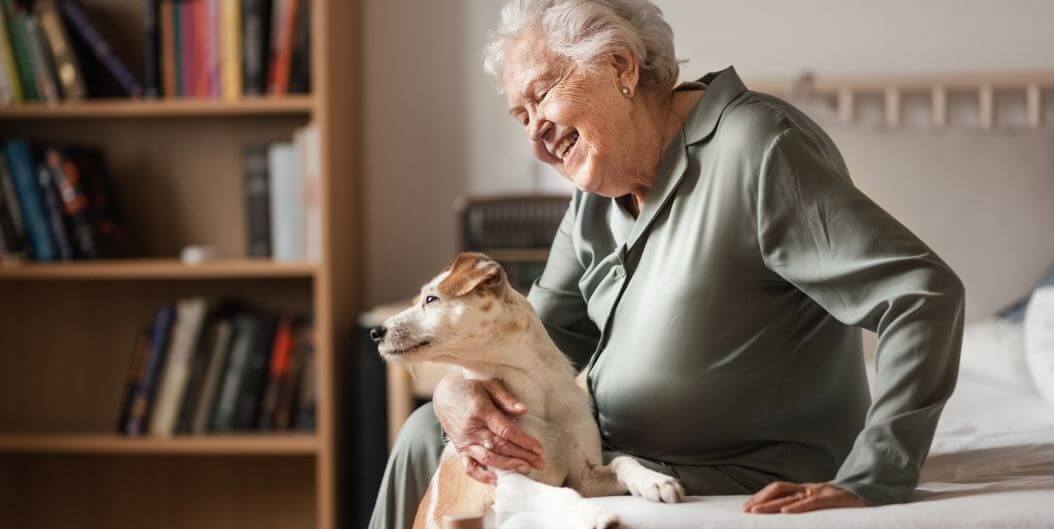
A Guide To Caring For Pets In Assisted Living
That look your dog gives you when you’re packing boxes, or the way your cat curls up in your lap every evening, these connections don’t diminish just because you’re considering assisted living. For many seniors, the thought of leaving a beloved pet behind makes the transition to assisted care seem impossible. Here’s the good news: more communities than ever understand that pets aren’t just animals, they’re family.
Pet-friendly assisted living and memory care communities have discovered what pet owners have always known. Animals provide comfort, purpose, and unconditional love that significantly impacts wellbeing. Let’s explore how modern senior living communities make it possible to keep your furry companion by your side.
Understanding Pet Policies in Senior Communities
Not all assisted living communities welcome pets, but those that do typically have thoughtful policies designed to work for everyone. These aren’t arbitrary rules but carefully considered guidelines that balance pet owners’ needs with community safety and comfort.
Behavioral requirements matter more than size in many cases. Well-socialized pets who won’t disturb neighbors or show aggression are welcome. Communities might request veterinary records showing current vaccinations and a clean bill of health. Some require a pet interview, which sounds formal but usually just means staff want to meet your furry friend.
Documentation needs typically include proof of vaccinations, spay/neuter certificates, and sometimes a letter from your vet about your pet’s temperament. Having a designated caregiver backup plan for emergencies is often required. This person agrees to care for your pet if you’re temporarily unable to do so.
Making Your Space Pet-Friendly
These communities offer a variety of floor plans of assisted living apartments that might be smaller than your previous home, but with thoughtful planning, they can be perfectly comfortable for pets. The key is maximizing space while ensuring safety for both you and your animal companion.
Strategic furniture placement creates clear pathways for both walkers and wagging tails. Choosing furniture with rounded corners prevents injuries during enthusiastic greetings. Non-slip rugs provide traction for older pets while protecting floors. These small adjustments make compact spaces work beautifully.
Vertical space becomes your friend, especially for cat owners. Wall-mounted shelves create climbing opportunities without cluttering floor space. Window perches let cats survey their domain while you maintain full use of your living area. Even small apartments can feel spacious when you think upward.
Pet supplies need organized storage to prevent tripping hazards. Decorative baskets hold toys while looking attractive. Wall hooks keep leashes handy but out of the way. Food and water stations work best in corners where they won’t create obstacles. Smart organization keeps your space functional and safe.
Creating a routine that works in smaller spaces helps pets adjust. Maybe morning walks replace backyard time. Perhaps play sessions happen in community courtyards. Pets adapt remarkably well when their essential needs for attention, exercise, and routine are met.
Support Services That Make Pet Care Easier
One of the biggest advantages of pet-friendly assisted care communities is the support network that develops around pet care. You’re not managing everything alone anymore. Help is available when you need it, whether that’s daily or just occasionally.
Many communities partner with mobile grooming services that come right to your apartment. No more wrestling your dog into the car for bath time. Professional groomers handle nail trimming, coat care, and all those tasks that become challenging with age or mobility changes. It’s convenience that keeps your pet looking and feeling great.
Staff assistance varies by community but often includes help with tasks like cleaning litter boxes or feeding during medical emergencies. This isn’t about taking over pet care but providing backup when circumstances require it. Knowing help exists reduces anxiety about managing pet care independently.
Benefits for Memory Care Residents
For those in memory care, pets provide unique therapeutic benefits that no medication can match. The consistent presence of a familiar animal can anchor someone experiencing confusion. That daily routine of feeding, petting, and caring for an animal provides purpose and structure.
Memory care communities that allow pets often see remarkable results. Residents who struggle with communication might chat freely with their cats. Those experiencing agitation often calm when petting their dogs. The non-judgmental presence of pets provides comfort during difficult moments.
Some memory care communities have transitioned to allowing pets after seeing the benefits of visiting therapy animals. The difference between a visiting dog and your own dog is profound. Personal pets provide continuity and connection that scheduled visits can’t match.
Building Community Around Pets
Pets become community ambassadors in assisted living settings. That daily dog walk turns into social time as neighbors stop to chat and pet your friendly pup. Cat owners bond over shared experiences and swap funny stories. Pets provide natural conversation starters and connection points.
Many communities organize pet-related activities that bring residents together. “Yappy hours” where dogs and owners socialize. Pet photo contests that showcase everyone’s furry friends. Holiday pet parades that become anticipated traditions. These events create community within community.
Pet care cooperatives develop naturally. Maybe you watch your neighbor’s cat during medical appointments while they walk your dog on days you’re tired. These reciprocal relationships build meaningful connections while ensuring pets receive consistent care.
The presence of pets throughout a community creates a warmer, more homelike atmosphere for everyone. Even residents without pets benefit from occasional animal interactions. The sound of dogs playing or cats purring in common areas adds life and vitality that no decoration can provide.
Making the Decision
Choosing assisted living doesn’t mean choosing between your wellbeing and your pet’s companionship. The right community welcomes both you and your furry family member. As you tour communities, bring up pet policies early. Visit with your pet if possible to see how they respond to the environment.
Ask specific questions about pet support services. What happens during medical emergencies? Are there restrictions on where pets can go within the community? How do they handle pet-related conflicts between residents? Understanding these details helps set realistic expectations.
Consider your pet’s needs honestly. A young, high-energy dog might struggle in an apartment setting, while an older, calmer pet might thrive with the increased attention and decreased territory to patrol. Sometimes the kindest choice involves finding pets new homes, but often, creative solutions allow continued companionship.
Remember that pet-friendly policies benefit everyone. Communities that welcome pets tend to be more flexible and understanding in other areas too. They recognize that quality of life involves honoring the relationships that matter most, whether those relationships have two legs or four.
Experience Pet-Friendly Senior Living at Ansel Park
At Ansel Park Assisted Living and Memory Care in Rocklin, California, we understand that pets are family. Our pet-friendly policies welcome well-behaved cats and dogs because we’ve seen firsthand how these cherished companions enhance residents’ lives. From our assisted living apartments to specialized memory care, we work with residents to ensure both human and pet needs are met. With nearby walking areas, pet care support services, and a community that celebrates our four-legged residents, Ansel Park provides a home where you don’t have to say goodbye to your best friend.
Contact us to learn more about our pet policies and discover how we make it possible to age in place with your beloved companion by your side.